PLANNING & SCHEDULING
 Click to zoom
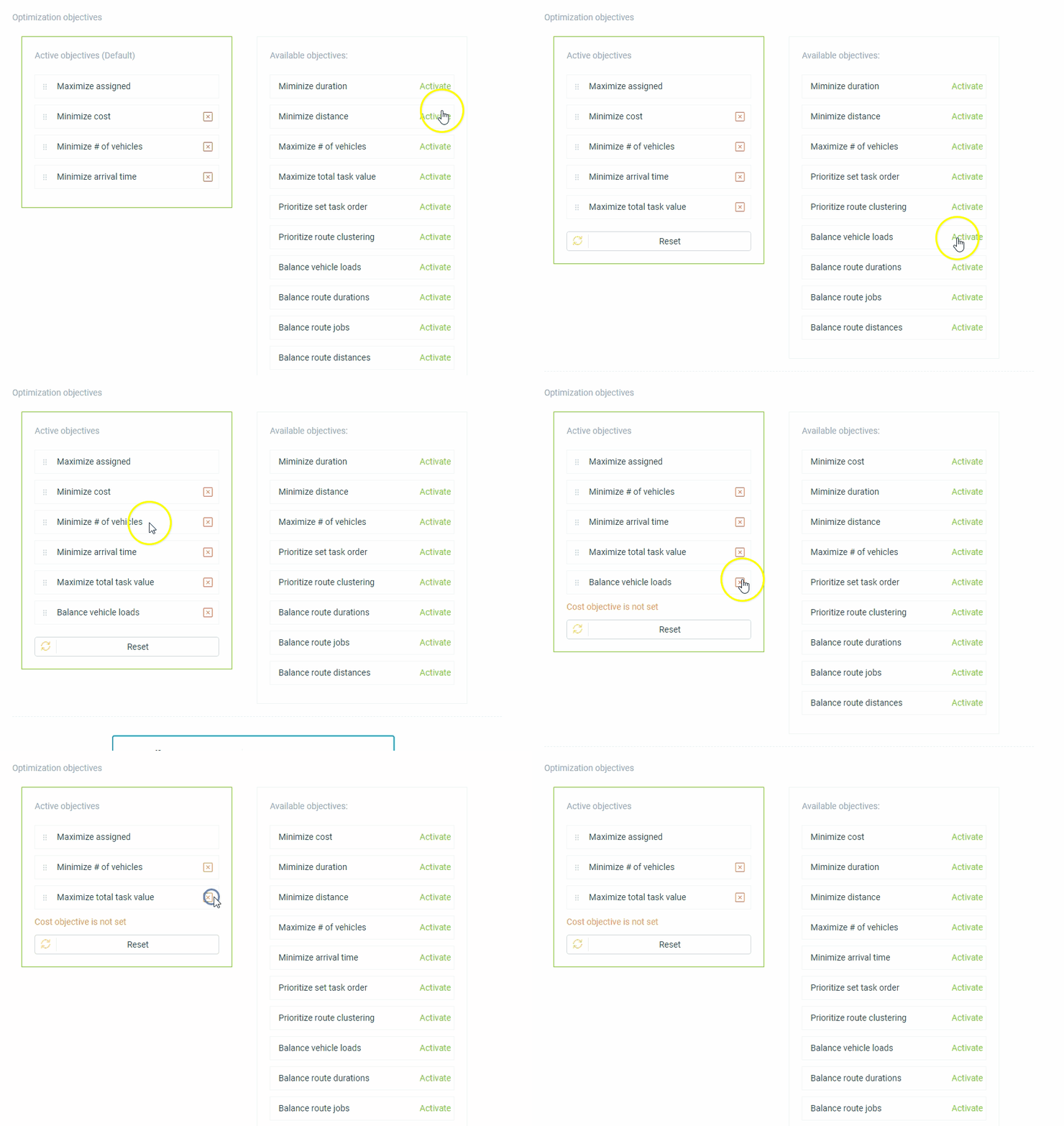
A wholesale distributor running 12 vans might prioritize cost minimization as the primary objective during steady months, then switch the top objective to time minimization during peak season when hitting every delivery window matters more than fuel savings. The system applies objectives in priority order: if your first objective is cost and second is distance, it finds the cheapest routes first, then breaks ties by shortest distance. Courier operations can set most-efficient-route mode during same-day windows to maximize throughput, then switch to balanced workload mode for next-day routes so every driver finishes within similar hours. For grocery distributors managing tight morning windows, setting time as the first-priority objective ensures restaurants get stock before opening, while a secondary distance objective keeps total mileage in check.
An HVAC company in winter might rank time minimization as the top objective to pack in as many boiler repairs as possible each day, then switch cost to the primary objective in summer when the workload is lighter and margins matter more. The priority-ordered approach means you can shift emphasis by season without rebuilding your optimization setup. Pest control businesses balancing emergency callouts with scheduled inspections can set use-all-resources mode so every available technician picks up work, balanced by number of jobs. Electrical contractors can choose balanced-minimum-routes mode with time as the balancing parameter so all technicians finish their day within similar windows rather than overloading whoever is nearest. For facilities management teams, setting cost as the primary objective with a secondary balance on schedule utilization ensures technicians spend more hours on billable work without anyone burning out.
GET STARTED
Book a personalized demo and see how eLogii's 84 features work together to transform your field operations.