PLANNING & SCHEDULING
 Click to zoom
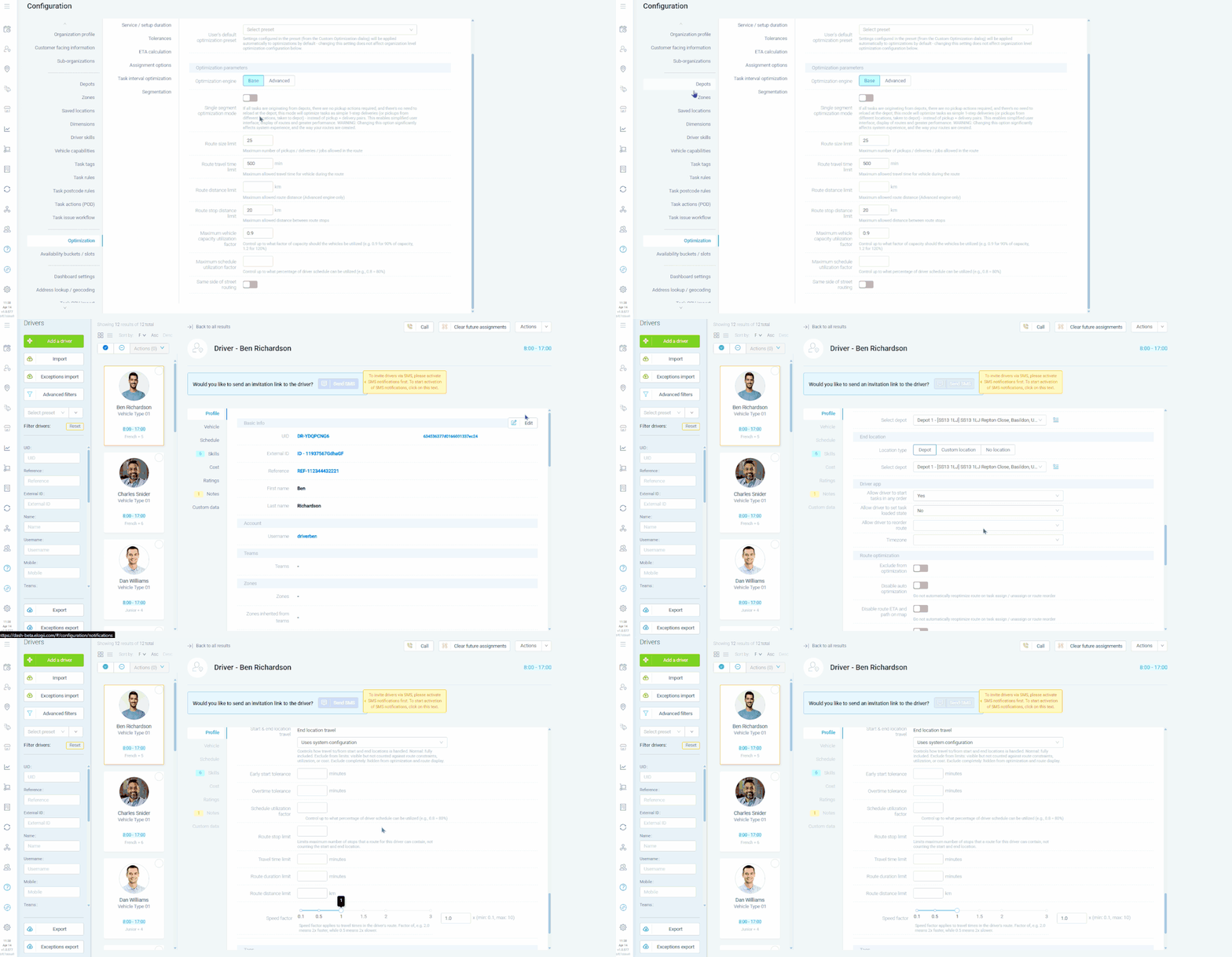
A courier operation running 15 vans across a city might cap route distance at 150km to keep drivers in their local area and avoid complaints about long-haul days. The route distance limit stops the optimizer from building routes that send drivers further than you want them to go, even if the schedule technically allows it. A wholesale distributor can set a stop limit at 25 drops per driver to keep each route manageable and reduce the chance of failed deliveries late in the day when drivers are fatigued. Travel time limits let you cap windscreen time separately from total route duration, so a grocery distributor can ensure drivers spend more of their shift at stops and less on the road. For building materials operators with drivers of varying experience, the driver speed factor adjusts time estimates per person so a newer driver with a 0.8 speed factor gets longer travel estimates and fewer stops assigned. Apply any of these limits per individual driver or workspace-wide across the fleet.
An HVAC company does not want technicians driving 400km in a day when 200km of focused local work is more productive. A route distance limit keeps routes tight and ensures technicians spend their time on jobs, not on the road. Pest control businesses covering wide rural territories can combine a distance limit with a stop limit so technicians handle a realistic number of inspections per day without being stretched across too large an area. Electrical contractors can set overtime tolerance at 30 minutes per driver so the optimizer can extend the schedule slightly for a high-priority job without overrunning the day. For facilities management teams dispatching across multiple regions, the travel time limit controls driving time independent of on-site service time, so you can cap windscreen time without cutting into the hours technicians spend on billable work.
GET STARTED
Book a personalized demo and see how eLogii's 84 features work together to transform your field operations.